

Healthy aging is about more than physical health. Staying socially connected, maintaining meaningful relationships, and having regular opportunities for conversation and engagement can all play an important role in a senior’s overall quality of life. For older adults living alone, however, maintaining those connections can become increasingly difficult. Changes in mobility, retirement, the loss of a spouse or friends, health…

Managing medications can become increasingly complicated with age. A senior may take several prescriptions, over-the-counter medications, vitamins, or supplements throughout the day, each with its own instructions and schedule. Even someone who has independently managed medications for years can begin having difficulty keeping track of everything. For families, changes in a loved one’s medication routine can be an important sign…
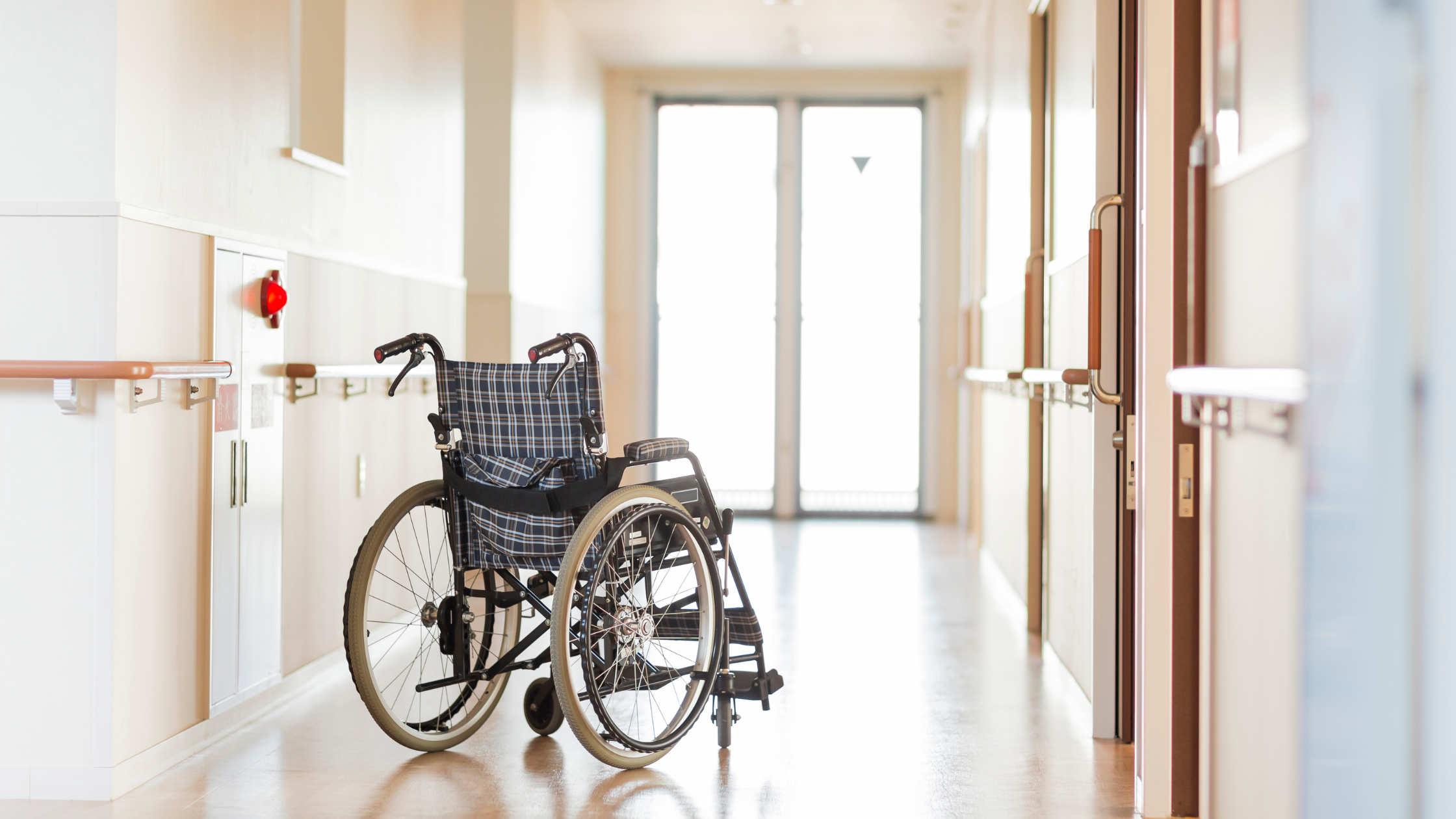
Being discharged from the hospital is often a welcome milestone, but for older adults and their families, it can also mark the beginning of a vulnerable stage of recovery. A senior may be medically stable enough to return home while still experiencing weakness, fatigue, mobility limitations, changes in routine, or difficulty managing everyday tasks independently. Family members may suddenly find…

Many older adults want to remain in the comfort of their own homes for as long as possible. Aging in place offers familiarity, independence, and the ability to continue living life on their own terms. However, there comes a point when living alone may begin to present safety concerns that aren’t always obvious. Often, these changes happen gradually, making them…