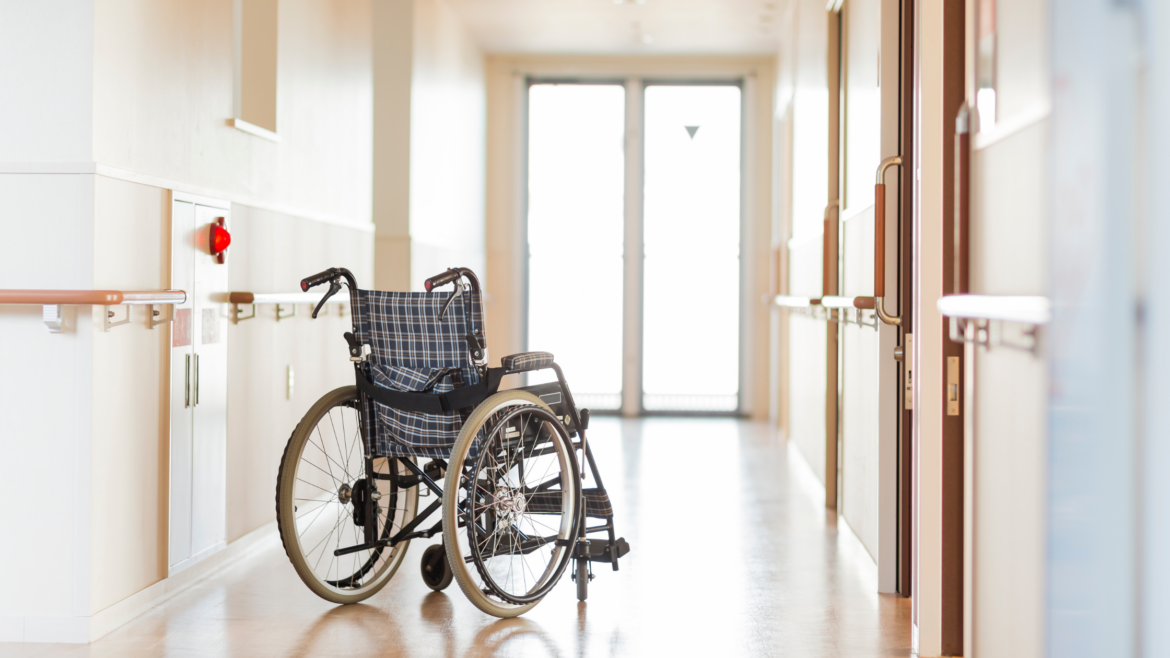
Being discharged from the hospital is often a welcome milestone, but for older adults and their families, it can also mark the beginning of a vulnerable stage of recovery.
A senior may be medically stable enough to return home while still experiencing weakness, fatigue, mobility limitations, changes in routine, or difficulty managing everyday tasks independently. Family members may suddenly find themselves responsible for meals, transportation, personal care, medication reminders, follow-up appointments, and making sure their loved one is safe at home.
This transition from hospital to home is one reason families may consider home care after hospital discharge.
With the right support in place, older adults can focus on recovering safely and comfortably at home while family caregivers have additional help managing the day-to-day needs that come with recovery.
Why the Transition From Hospital to Home Matters
Leaving the hospital does not necessarily mean someone has fully recovered.
Older adults may return home after an illness, injury, surgery, or hospitalization with temporary or ongoing limitations. Even routine activities such as bathing, preparing a meal, getting dressed, walking through the house, or getting to a follow-up appointment may suddenly become difficult.
These challenges can create additional safety concerns during recovery.
A successful hospital-to-home transition means looking beyond the discharge itself and asking an important question:
What support will this person need once they are actually home?
Planning for those needs before or immediately after discharge can help create a safer and more manageable recovery environment.
Common Challenges Seniors Face After Hospital Discharge
Every recovery is different, but families may notice several challenges when an older loved one returns home.
1. Weakness and Limited Mobility
Hospital stays can leave older adults feeling weaker than they did before admission. Walking, transferring from a bed or chair, using the bathroom, and navigating stairs may become more challenging.
When mobility changes suddenly, everyday activities can also present a greater fall or injury risk.
2. Difficulty With Personal Care
Bathing, dressing, grooming, toileting, and other personal care routines may require more energy or mobility than a recovering senior currently has.
Having assistance available can allow these activities to be completed more safely while helping the individual maintain dignity and independence wherever possible.
3. Meal Preparation and Nutrition
Recovery can make grocery shopping and cooking difficult.
A senior may also return home with new dietary recommendations or simply lack the strength and energy to prepare regular meals.
Home care can provide support with meal preparation and everyday routines so nutritious food is more accessible during recovery.
4. Managing Medication Routines
Hospitalization can sometimes result in changes to an older adult’s medication routine.
New prescriptions, different schedules, or discontinued medications can make an already complicated routine harder to follow.
Non-medical caregivers do not replace physicians, nurses, or pharmacists, but they can provide medication reminders and help seniors stay organized around the routine established by their healthcare providers.
5. Transportation and Follow-Up Care
Recovery frequently includes follow-up appointments, therapy, testing, or other medical visits.
For seniors who are temporarily unable to drive—or who no longer drive—transportation can become another obstacle to following their discharge plan.
How In-Home Care Can Support Recovery
Professional home care can provide an additional layer of non-medical support once an older adult returns home.
Depending on the individual’s needs, assistance may include:
- Personal care and assistance with daily activities
- Bathing, dressing, grooming, and toileting assistance
- Meal preparation
- Medication reminders
- Light housekeeping
- Transportation and errands
- Companionship
- Assistance maintaining a safer daily routine
The goal is not to replace medical care. Instead, home care can help address the everyday needs that often determine whether a senior is able to comfortably follow a recovery plan at home.
Can Home Care Help Reduce the Risk of Hospital Readmission?
There are many reasons an older adult may need to return to the hospital, and no home care provider can guarantee that a readmission will be prevented.
However, appropriate support at home can help address some of the practical challenges seniors encounter during recovery.
A caregiver may notice that a client is struggling more than usual with everyday activities, help maintain consistent meal and medication-reminder routines, provide assistance with personal care, or help ensure transportation is available for scheduled appointments.
Just as importantly, having another person regularly present can give families greater visibility into how their loved one is managing after discharge.
If there are concerns about a senior’s medical condition or recovery, those concerns should always be discussed with the appropriate healthcare professional.
Signs Your Loved One May Need Extra Help After Coming Home
Sometimes families do not realize how much assistance will be needed until their loved one is already home.
Consider whether your parent or family member is:
- Struggling to safely bathe or dress
- Having difficulty walking or moving around the home
- Too tired or weak to prepare meals
- Having trouble keeping up with medication reminders
- Unable to drive to appointments
- Falling behind on basic household tasks
- Spending long periods alone during recovery
- Becoming overwhelmed by their new daily routine
- Relying heavily on one family caregiver for nearly every need
If several of these concerns are present, temporary or ongoing in-home assistance may make the recovery period easier to manage.
Planning for Home Care Before Hospital Discharge
Families do not necessarily have to wait until a loved one is already home to begin planning.
If you know additional assistance may be necessary, start discussing the transition with the hospital’s discharge planner, case manager, social worker, or healthcare team.
Ask what activities the individual may need assistance with at home and what medical follow-up will be required.
From there, families can determine which needs must be handled by licensed medical professionals and which everyday needs may be supported by a non-medical home care provider.
Even a few hours of assistance at strategic times of day can sometimes make a significant difference for a family managing a loved one’s recovery.
Supporting Lansing-Area Seniors as They Return Home
For families throughout Lansing and the surrounding Mid-Michigan communities, figuring out what happens after a hospital stay can feel overwhelming.
You may be balancing discharge instructions, work, family responsibilities, appointments, meals, transportation, and concerns about leaving your loved one home alone.
Home Care Alternatives provides personalized in-home care designed to support seniors with everyday activities while helping them remain comfortable in their own homes.
Whether assistance is needed during a short-term recovery or becomes part of a longer-term care plan, the right level of support can help families create a safer and more manageable transition home.
Does Your Loved One Need Support After a Hospital Stay?
You don’t have to wait for daily responsibilities to become unmanageable before exploring your options.
If a parent or loved one is preparing to return home from the hospital—or is already home and struggling with everyday activities—Home Care Alternatives can help you determine what type of in-home assistance may fit their needs.
Check Out Our Recent Posts
- Why Social Connection Is One of the Most Important Parts of Healthy Aging
- Medication Mistakes Seniors Make and How Home Care Can Help
- Hospital to Home: How In-Home Care Helps Prevent Readmissions
- The Hidden Signs Your Loved One May No Longer Be Safe Living Alone
- How to Talk to Your Parent About Accepting Home Care Without Conflict